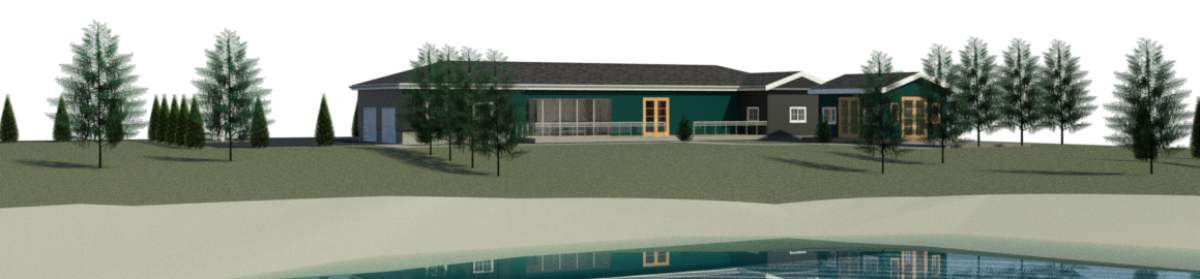
Homeowners can utilize passive features in their homes to improve energy efficiency, reduce utility costs, and enhance overall comfort. Passive features rely on the design and natural elements of the home rather than mechanical systems. Here are some key strategies:
1. Orientation and Layout
- Solar Orientation: Positioning the home to take advantage of the sun’s path can maximize natural light and heat. For instance, in the Northern Hemisphere, south-facing windows allow for maximum solar gain during the winter months.
- Zoning: Designing the layout to place frequently used rooms, such as living areas, on the south side and less frequently used rooms, such as storage or bathrooms, on the north side can optimize temperature regulation.
2. Insulation and Thermal Mass
- High-Quality Insulation: Proper insulation in walls, roofs, and floors helps maintain a consistent indoor temperature by reducing heat transfer.
- Thermal Mass: Using materials like concrete, brick, or stone within the home’s interior can store and slowly release heat, helping to moderate indoor temperatures.
3. Natural Ventilation
- Cross Ventilation: Placing windows and vents on opposite sides of rooms or the home can create a natural airflow, cooling the home without the need for air conditioning.
- Stack Ventilation: Utilizing the principle that hot air rises, homes can be designed with high vents or windows to allow warm air to escape, drawing cooler air in from below.
4. Shading and Glazing
- Overhangs and Awnings: Properly designed overhangs can block high summer sun while allowing low winter sun to enter the home.
- Deciduous Trees: Planting deciduous trees on the south side of the home can provide shade in the summer and allow sunlight through in the winter after the leaves fall.
- Window Glazing: Using double or triple-pane windows with low-emissivity (Low-E) coatings can reduce heat transfer and improve insulation.
5. Natural Lighting
- Daylighting: Strategically placing windows, skylights, and light tubes can maximize natural light, reducing the need for artificial lighting during the day.
- Reflective Surfaces: Using light-colored walls and reflective surfaces can help distribute natural light more effectively throughout the home.
6. Green Roofing and Walls
- Green Roofs: Installing a green roof can provide additional insulation, reduce the heat island effect, and manage stormwater runoff.
- Living Walls: Green walls can improve air quality, provide insulation, and add aesthetic value to the home.
7. Water Management
- Rainwater Harvesting: Collecting and storing rainwater for irrigation or even household use can reduce water bills and conserve resources.
- Permeable Surfaces: Using permeable materials for driveways and patios allows water to soak into the ground, reducing runoff and recharging groundwater.
8. Energy-Efficient Landscaping
- Xeriscaping: Using drought-resistant plants and reducing lawn areas can minimize water usage.
- Windbreaks: Planting trees or shrubs to block prevailing winds can reduce heat loss in winter and cooling costs in summer.
By incorporating these passive design strategies, homeowners can significantly enhance the sustainability and efficiency of their homes while creating a more comfortable living environment.
 CODE'S CAD